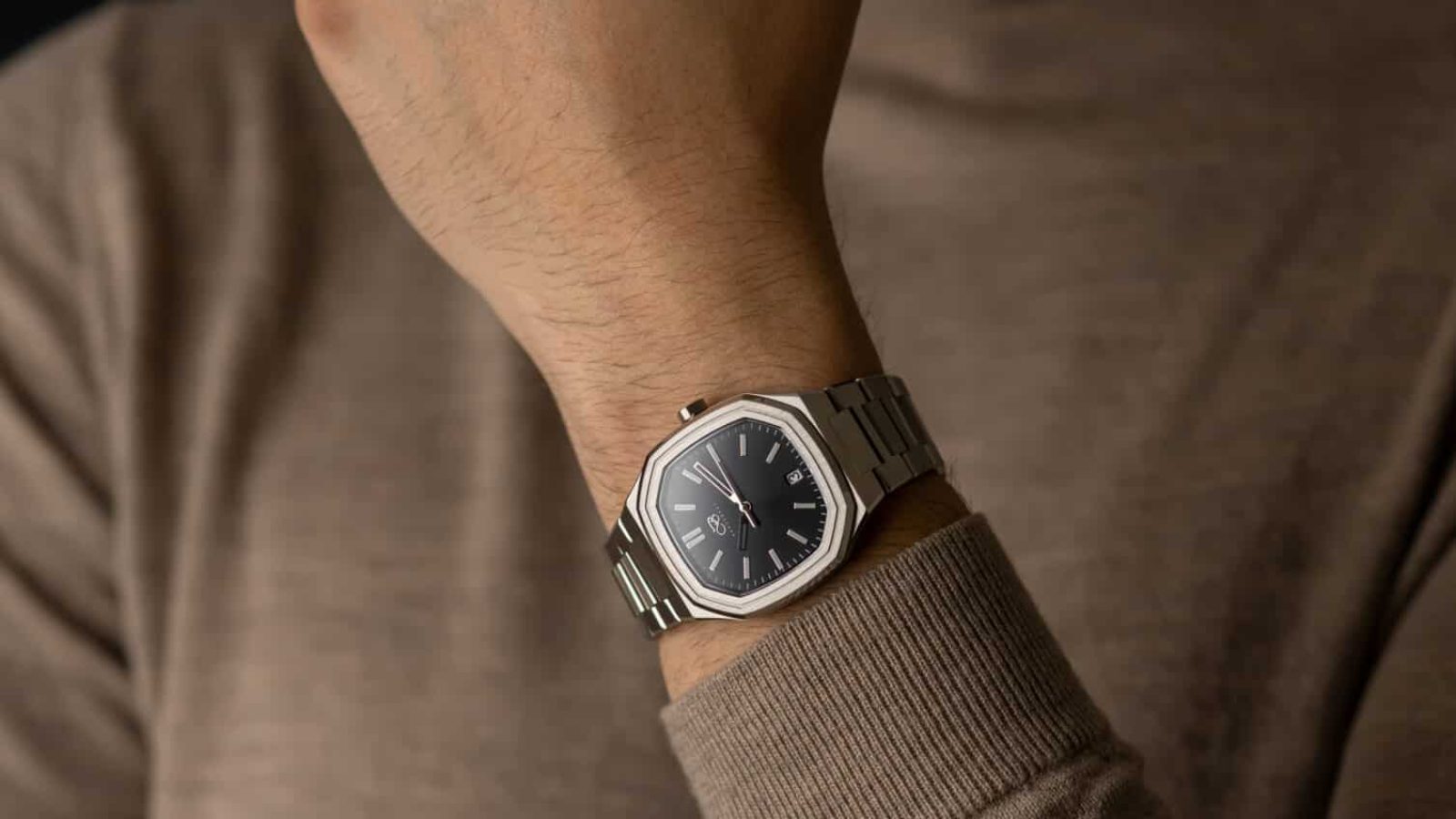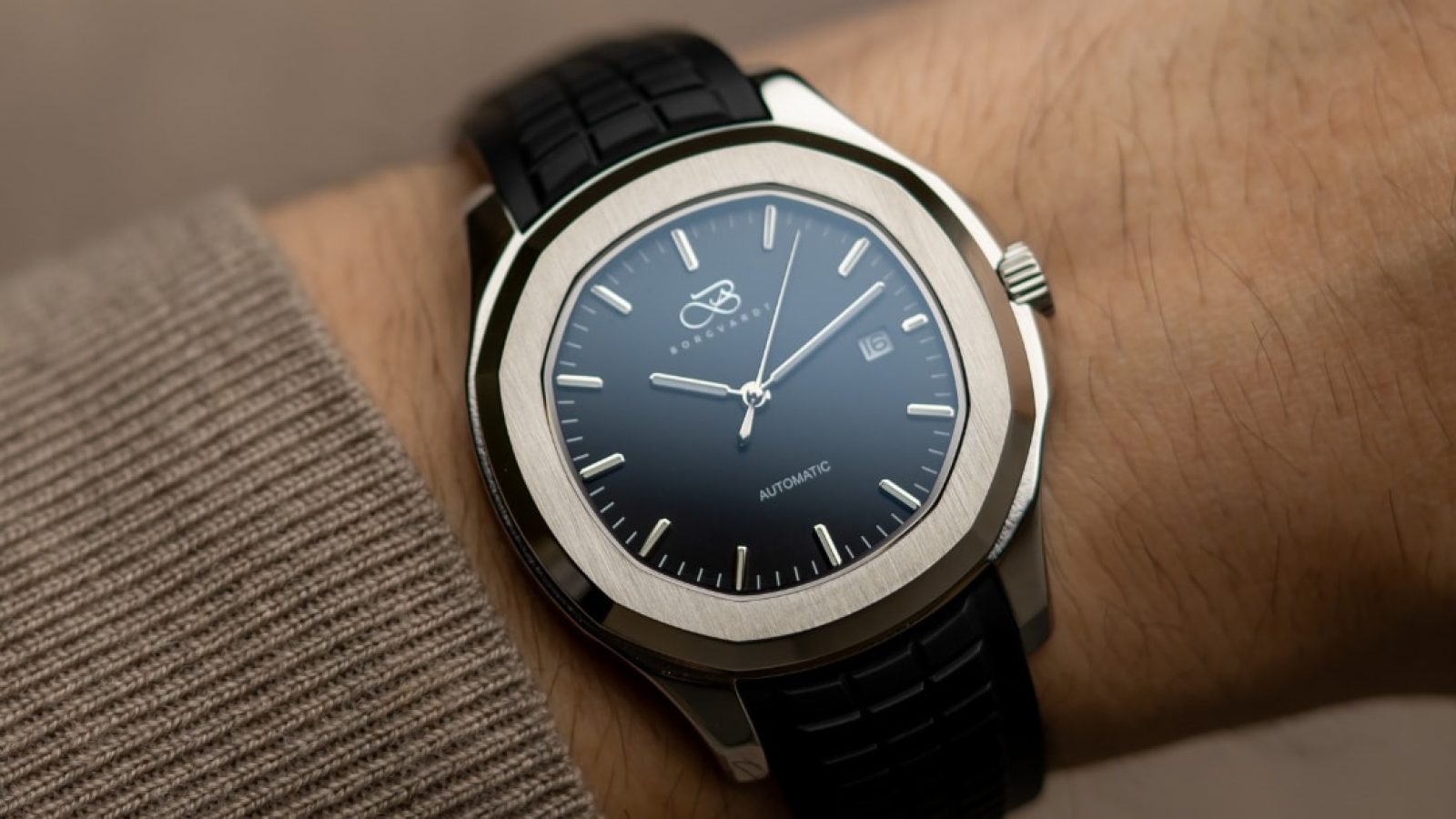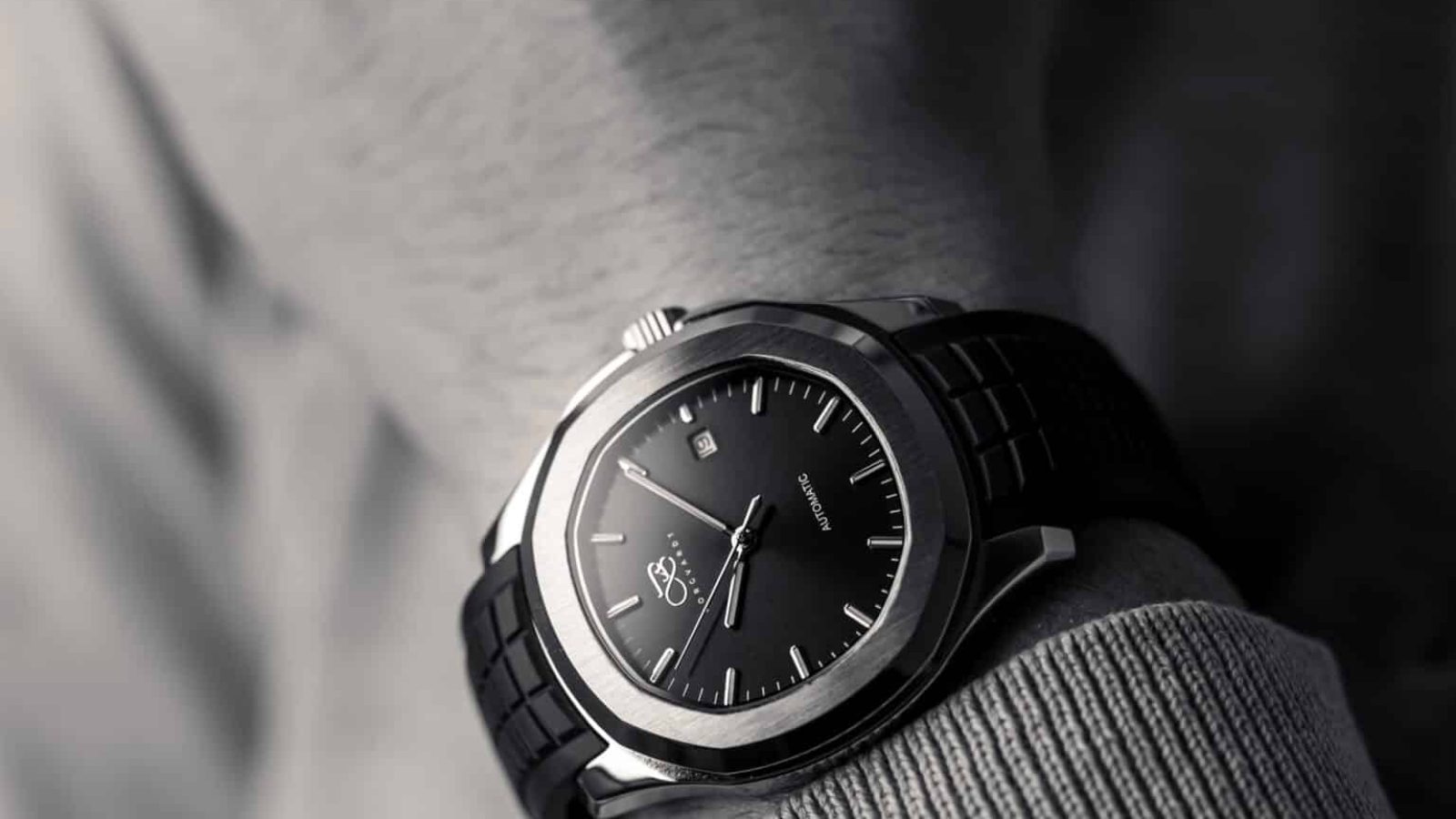


Mechanical watches are lifelike and living constructions, and no mechanical movement is 100 % accurate. Even chronometer-certified watches will gain or lose a few seconds per day. If you notice that your watch suddenly changes its movement significantly, it's often a sign that service is needed. At Borgvardt Ure, we are always ready to advise you on proper use and maintenance so that your watch not only keeps time - but also tells your story for many years to come.
Setting Mechanical and Automatic clocks
A mechanical wristwatch is more than just a tool to tell the time. It's a piece of mechanical craftsmanship, made to be used, worn and maintained with care. At Borgvardt Ure, we design our watches with durability, precision and aesthetics in mind - but proper use is essential for the watch to retain its properties for many years to come. In this guide, we'll walk you through how to set your watch correctly, use features like the chronograph and take care of your watch in everyday life.
When setting a mechanical or automatic watch, the procedure may vary from model to model. However, as a general rule of thumb, the following applies to watches with two or three hands and date function. If the watch is equipped with a screw-in crown, first unscrew it. The watch can then be wound by turning the crown clockwise to the first position. Then pull the crown all the way out to set the time. As you turn the hands forward, keep an eye on the date window - when the date changes, you'll know it's past midnight and you'll be able to distinguish between morning and afternoon.
Once the time is set correctly, push the crown in slightly to adjust the date. It is important that you do not change the date if the clock is set between 20:00 and 04:00. During this time, the date mechanism is active and interference can damage the movement. Once both the time and date are correctly set, push the crown all the way back in and screw it firmly against the watch case to ensure optimal tightness.
Chronograph watches
If your Borgvardt watch has a chronograph, it functions as a mechanical stopwatch. The operation is usually the same across models. The chronograph is started by pressing the top push button and stopped by pressing the same button again. The lower push button resets the measurement, but only when the chronograph is stopped. When the chronograph is not in use, it is recommended that it is turned off, as constant use can strain the movement and reduce the power reserve.
Water resistance is an area where misunderstandings often arise. Although many watches are tested to a certain water depth, it doesn't necessarily mean that the watch can be actively used in water at that depth. Water pressure increases with movement, which is why claims like 30 meters are typically splash-proof only, while 50-100 meters is suitable for surface swimming. Watches with 200 meters or more are intended for diving. To maintain water resistance, it is crucial that the crown is always properly closed and - where possible - screwed down. Over time, the rubber seals that keep water out wear out, so regular servicing is important.
Servicing mechanical and automatic watches
A mechanical watch should be serviced periodically to ensure proper lubrication, tightness and precision. Lack of service can lead to increased wear and tear and ultimately expensive repairs. At the same time, there are a number of impacts you should avoid in daily life. Water ingress is the biggest enemy, but also magnetic fields from electronics, strong shocks and sudden changes in temperature can negatively affect the watch's performance.
The materials in your watch also require attention. Leather straps should be kept dry and free from sweat, perfume and moisture as leather is a natural and porous material. Rubber straps are more robust but should be protected from sharp objects and oil. If your watch has PVD coating or other surface treatments, avoid contact with chemicals and ensure creams and perfumes are dry before wearing the watch. Ceramic components are extremely scratch-resistant but more fragile on impact, so hard knocks should be avoided.
Cleaning and storing your watches
Cleaning your watch is usually done with a soft, dry cloth. Water resistant watches can be gently cleaned with lukewarm soapy water and a soft brush as long as the crown is fully closed. Leather straps should never be exposed to water. If the watch has been in contact with salt water, rinse with fresh water and dry thoroughly.
When not in use, the watch is best stored in its box or in a dedicated watch case. Some people choose to store automatic watches in a watch winder to keep the power reserve active, but this also causes increased wear. Conversely, in rare cases, very long periods of downtime can affect the lubrication in the movement. Quartz watches should never be stored with the crown pulled out as this can allow dust and moisture to enter.
See our selection of mechanical watches here: MECHANICAL WATCHES